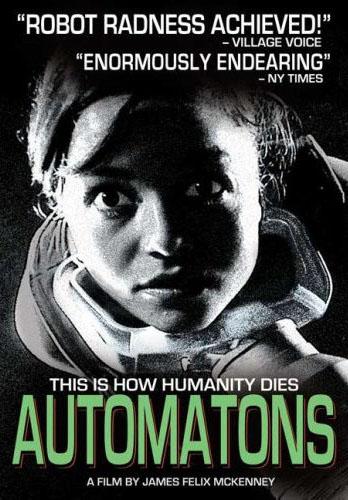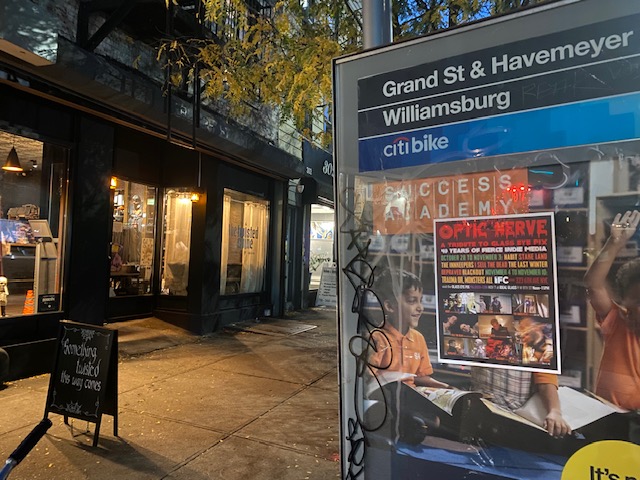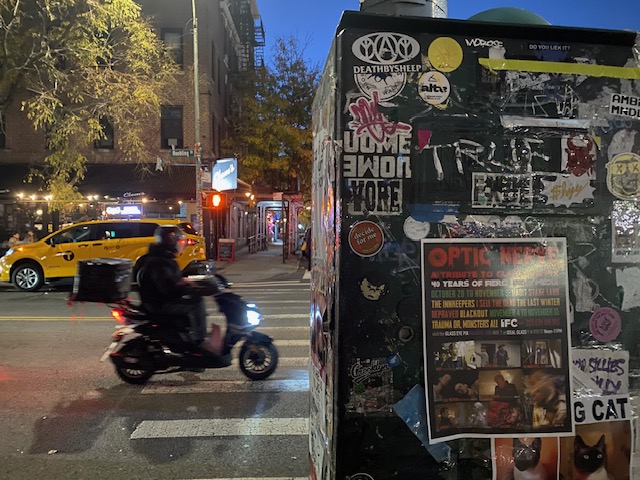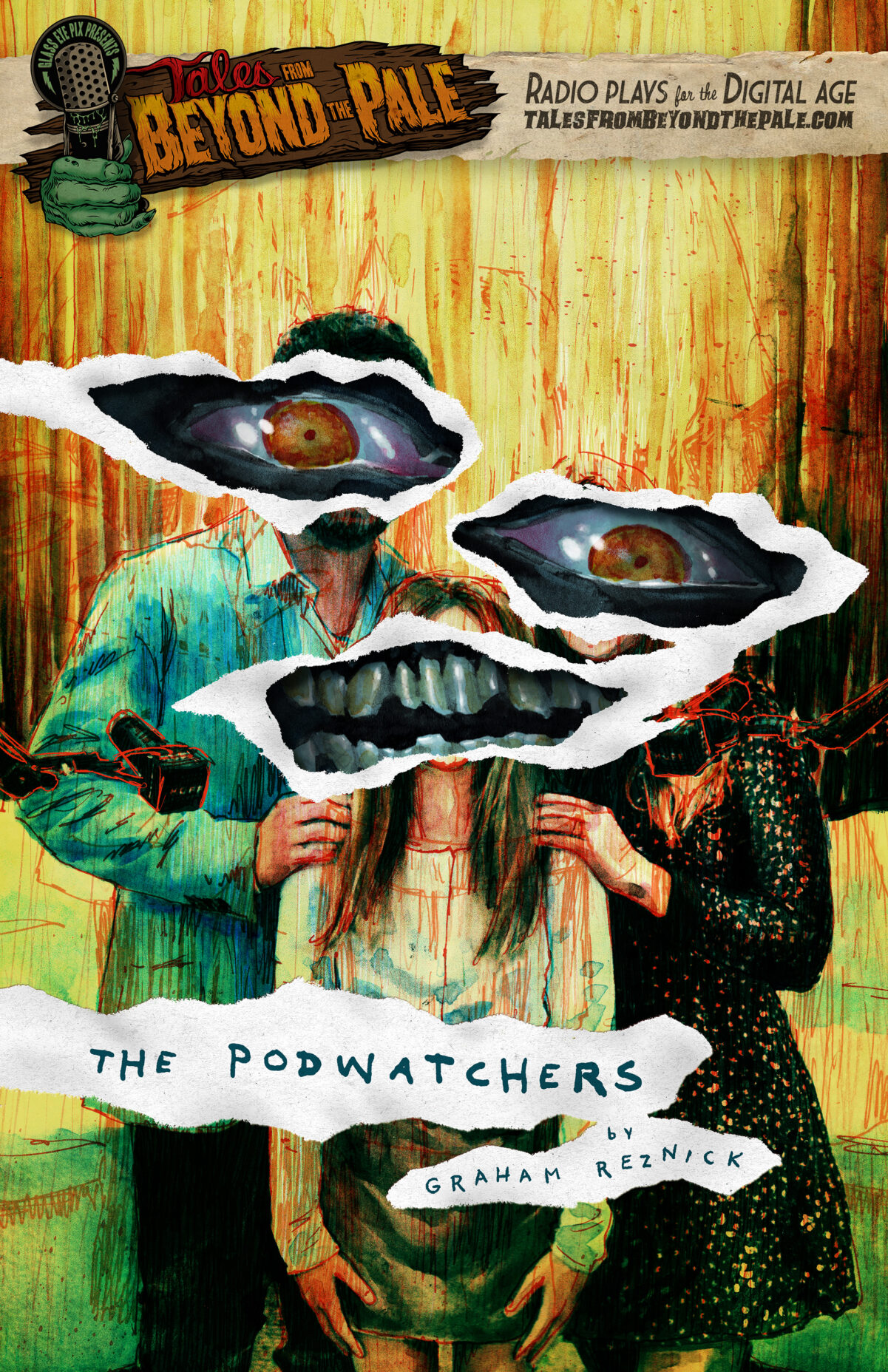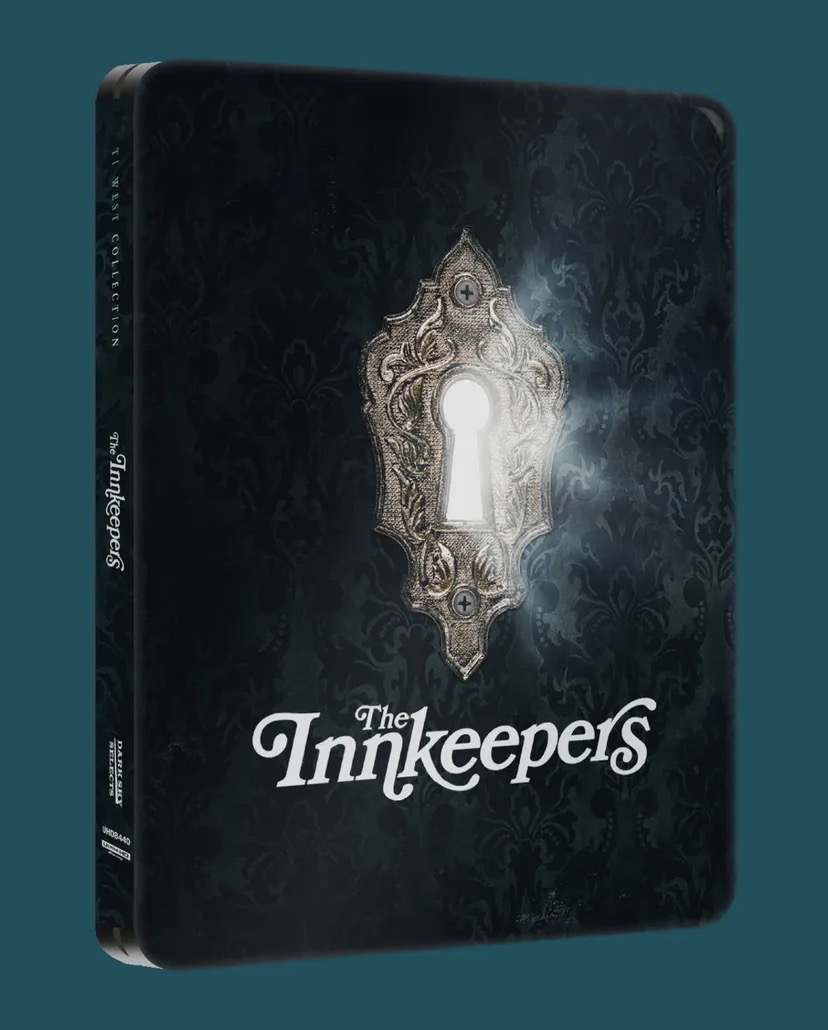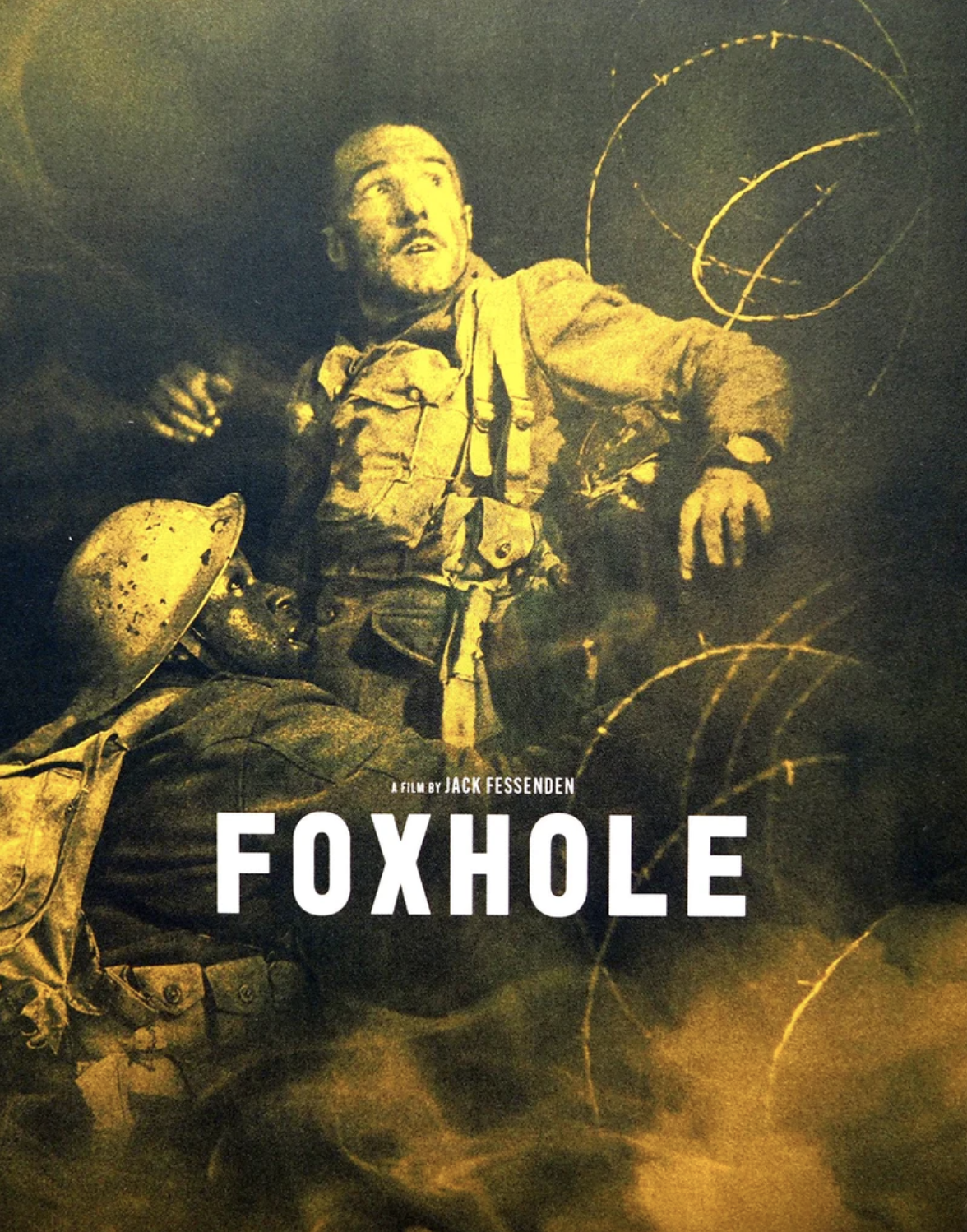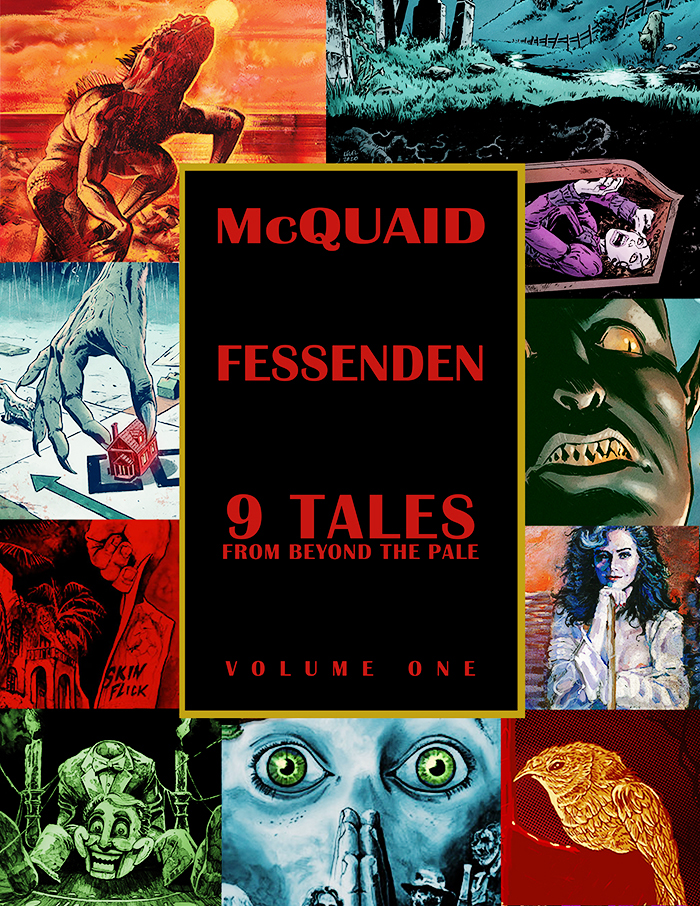

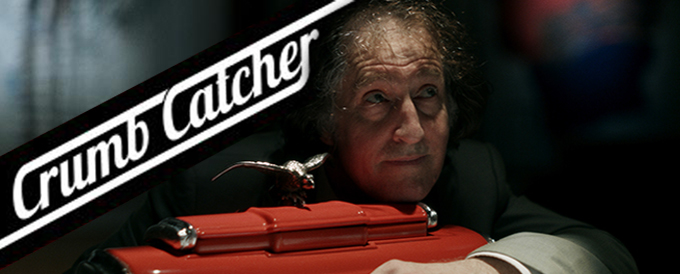
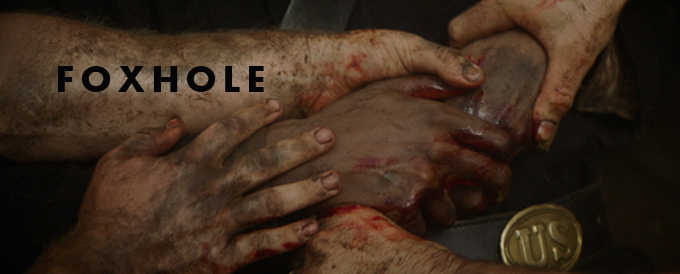
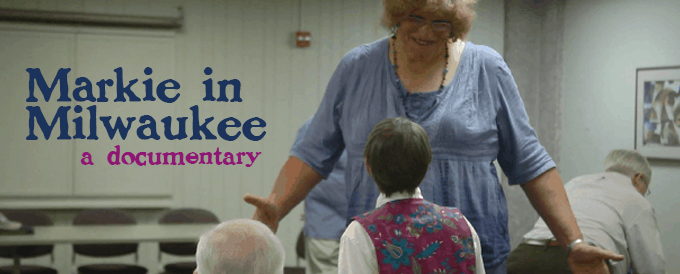
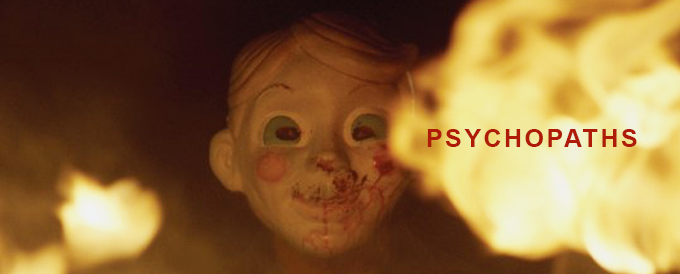
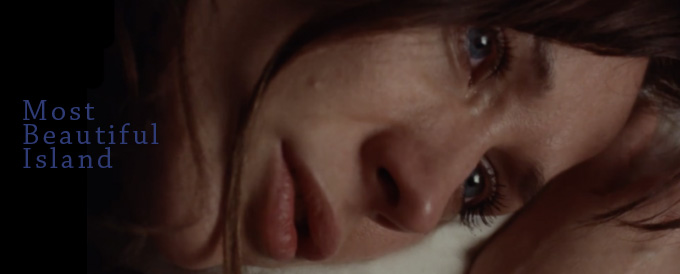
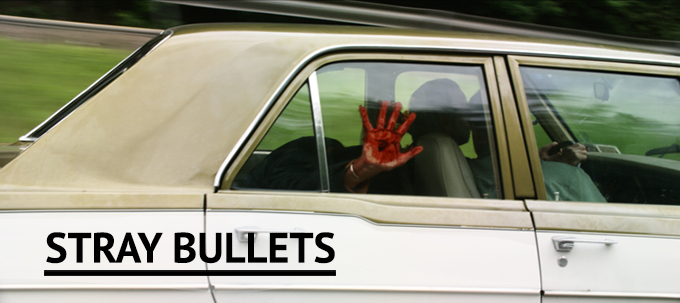
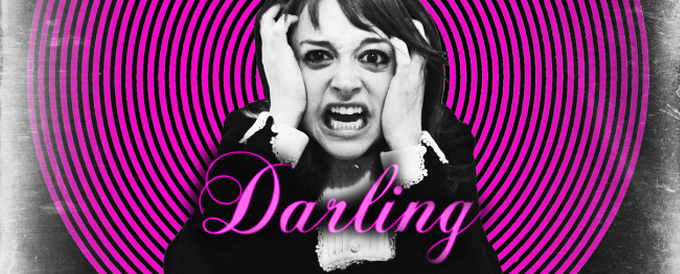



TBT: On Halloween in 2011, TALES FROM BEYOND THE PALE Season 1 featured in The Wall Street Journal, by Steve Dollar.
Now in 2026, Tales From Beyond The Pale is in its 6th Season! With a New episode dropping every month. Go to TalesFromBeyondThePale.com to keep up with Season 6 and listen to previous seasons! Follow Tales on Instagram and Facebook for all announcements.
Ahead of the UK premiere of his uniquely camp sci-fi horror comedy, THE RESTORATION AT GRAYSON MANOR at FrightFest Glasgow 2026, director Glenn McQuaid reflects on creating murderous hands, the influence of diva soaps, and tackling the horror of homophobia.
FrightFest last saw you in Glasgow in 2008 with I Sell the Dead. It’s now 2026 — what has taken you so long to return with The Restoration at Grayson Manor?
I’ve never really thought of it as being away. I’ve been working consistently across film, audio drama, music, and development. The Restoration at Grayson Manor (2025) is the result of a long gestation and a few false starts. We were preparing to go in 2019, then Covid intervened, and when we finally returned to it everything aligned in a way that made the production not just possible, but genuinely joyful.
I was able to assemble a cast I could not have been more excited to work with, and collaborate with my cinematographer Narayan Van Meile, who I had wanted to work with for years. I don’t think this film could have been made as well earlier. Hats off to Brendan McCarthy, John Mc Donnel and Deidre Levins at Fantastic Films for staying the course with me.
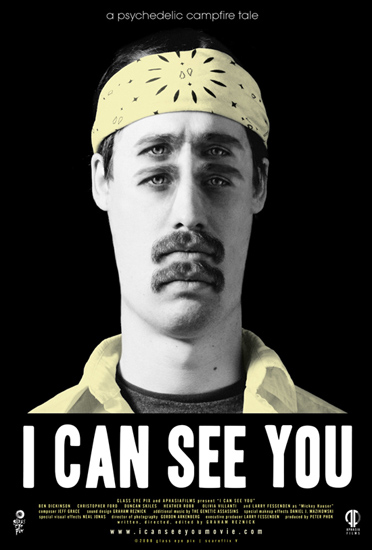
How did this project come about, and how did you meet your co-writer Clay McLeod Chapman? Was the inspiration for the central premise drawn from real technology involving amputees and subconscious control of artificial limbs?
Clay and I met through our shared orbit around Larry Fessenden and Glass Eye Pix. Larry and I later invited Clay to write an episode or two for our audio drama series Tales from Beyond the Pale, and there was an immediate creative shorthand. We are both interested in using genre as a Trojan horse for emotional and psychological truths. The original spark came from watching a YouTube video of an amputee controlling a robotic
hand with his mind. That led me into neurological research around phantom limbs and subconscious motor control, particularly the idea that the subconscious never forgets, regardless of what the conscious mind tries to repress. From there, the story moved away from technology and toward questions of inheritance, trauma, control, and what gets passed down whether we want it or not.
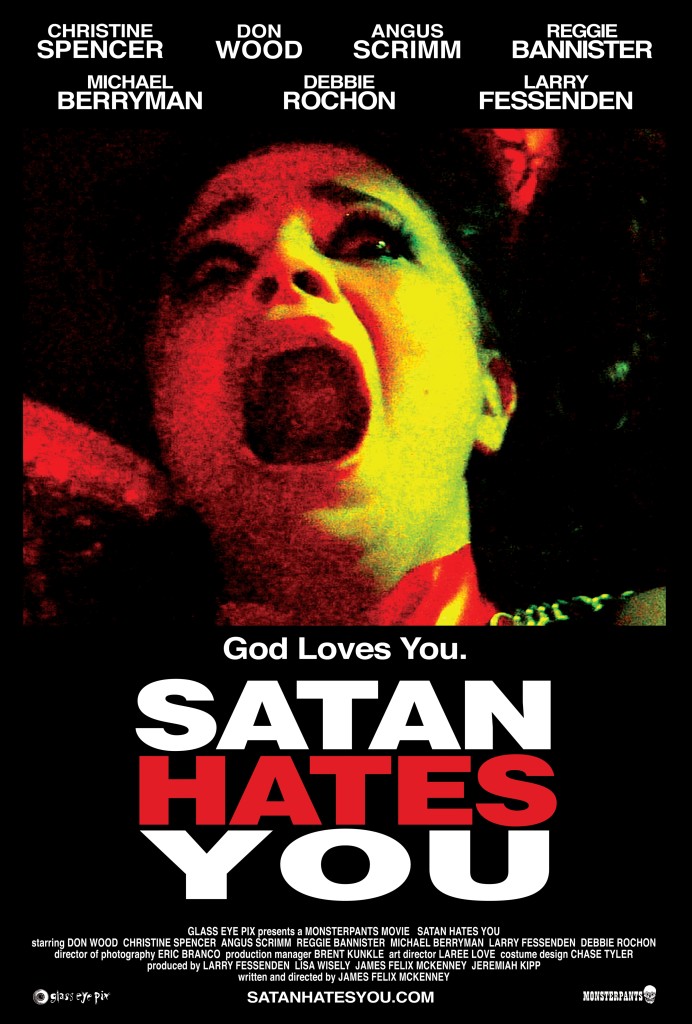
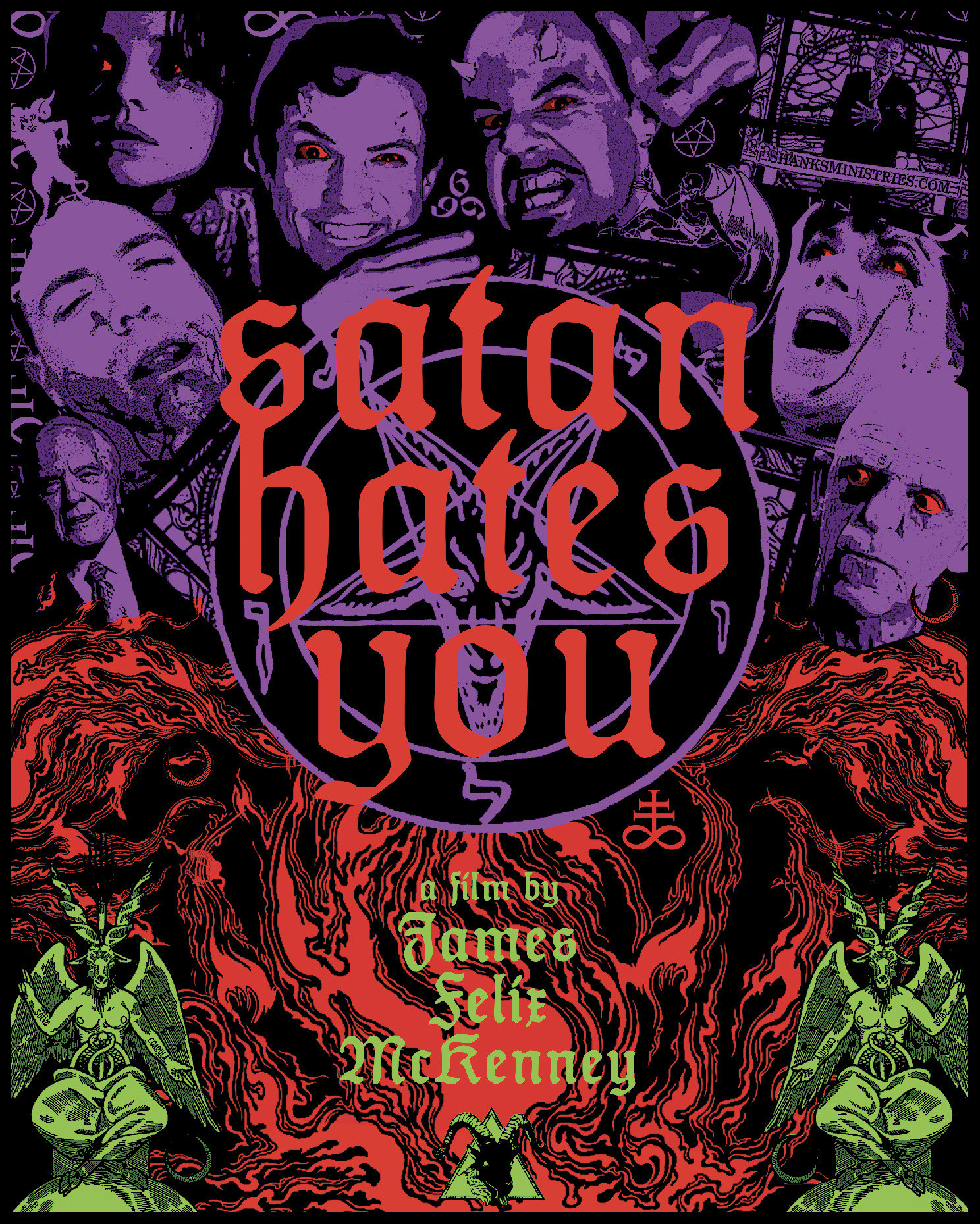
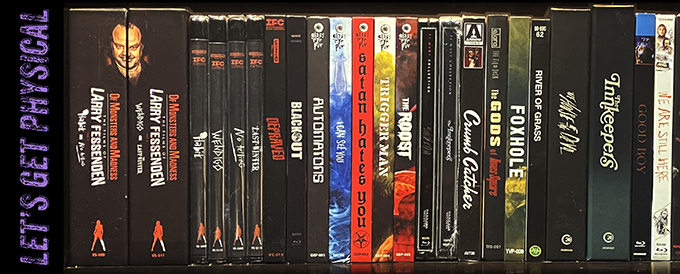
Released by: Glass Eye Pix Released on: January 27, 2025 Director: James Felix McKenney Cast: Don Wood, Christine Spencer, Angus Scrimm, Reggie Bannister, Michael Berryman, Debbie Rochon, Larry Fessenden Year: 2010
… The themes of sin and salvation are ripe for satire and ridicule, and McKenney’s script plays it pretty dang straight, but it is still chock full of Christian cannon-fodder, managing to be both a both a parody and somewhat straight-faced send-up of Christian horror flicks. But it’s also not too far removed from an actual Christian morality tales. It has that semi-campy edge to it, and it’s quite bloody as well. Particularly splatter-riffic is Wendy’s nightmarish back alley abortion scene, clearly a send-up of pro-life propaganda as the “doctor” cackles maniacally while painfully extricating the unborn fetus in pieces from her womb. With a geyser of blood spraying onto his face, this scene feels very much like a Troma-esque display of bad taste.
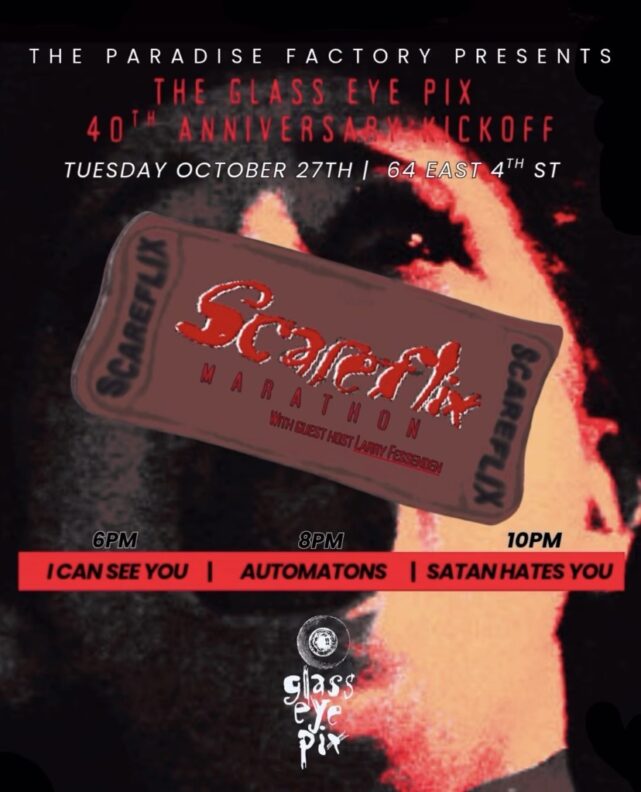
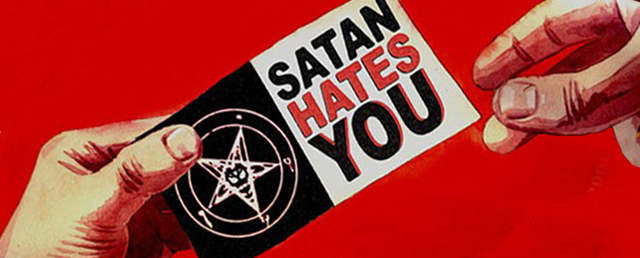
Satan Hates You (2010), produced by Glass Eye Pix and directed by James Felix McKenney (Automatons), is a gleefully twisted riff on those Christian scare films of the 60s and 70s. In it we have a pair of lost souls in need of some serious salvation. First we have promiscuous Wendy (Christine Spencer, Automatons) who lives a wild party girl lifestyle of wanton casual sex and illicit drugs. Then we have an alcoholic serial killer named Marc (Don Wood, Hypothermia), a man with deeply closeted homosexual tendencies battling his own sexual identity which has driven him to murder. In the background of the story there’s lots of televangelist and and a preacher named Dr. Michael Gabriel (Angus Scrimm, Phantasm) on the TV, all spouting ‘save your mortal soul’ verbiage, encouraging sinners to find Jesus and atone for their evil lifestyles. Wendy seems to get a lot of comfort from this show. Meanwhile there are forces of evil at play by way of devil-imps Glumac (Larry Fessenden, Habit) and Scadlock (Bradford Scobie, Shortbus), demons who look like they just walked off the Squirrel Nut Zippers “Hell” music video set. They pop up throughout the film to invisibly whisper into the ears of both Wendy and Marc to ensure they follow their darker impulses, to ensure their souls are damned for all eternity. Wendy and Marc cross paths early on at a dive bar but do not actually meet until the end of the film. Instead the film follows them individually as we track their individual paths, both careening down the proverbial Highway to Hell, or perhaps salvation, depending on their choices, and willingness to accept Jesus into their hearts.
… It’s a fun riff on those classic Christian propaganda scare films and comic books. As a kid I remember reading the Chick Publications comics. My mom had an annoying friend who would without fail hand them out to us when she visited, and even as a budding-atheist kid, just the simplistic way that accepting Jesus into your heart would absolve you of all sorts of heinous sins and behaviors always rubbed me as wildly disingenuous and sort of gross. With that in mind the finale of this flick just brought a very satisfied shit-eating grin to my face.
… Satan Hates You (2010) makes it’s long overdue Blu-ray debut from Glass Eye Pix, presented in 1080p HD framed in 1.78:1 widescreen. It was shot digitally but made to mimic the vintage feel and retro-aesthetic of the grittier and grainy 70s Christian horror films. It looks terrific in HD, obviously there are no source flaws, the color reproduction look excellent with lots of sickly yellows as was intended. Blacks are solid and depth and clarity are much improved over past DVD editions…
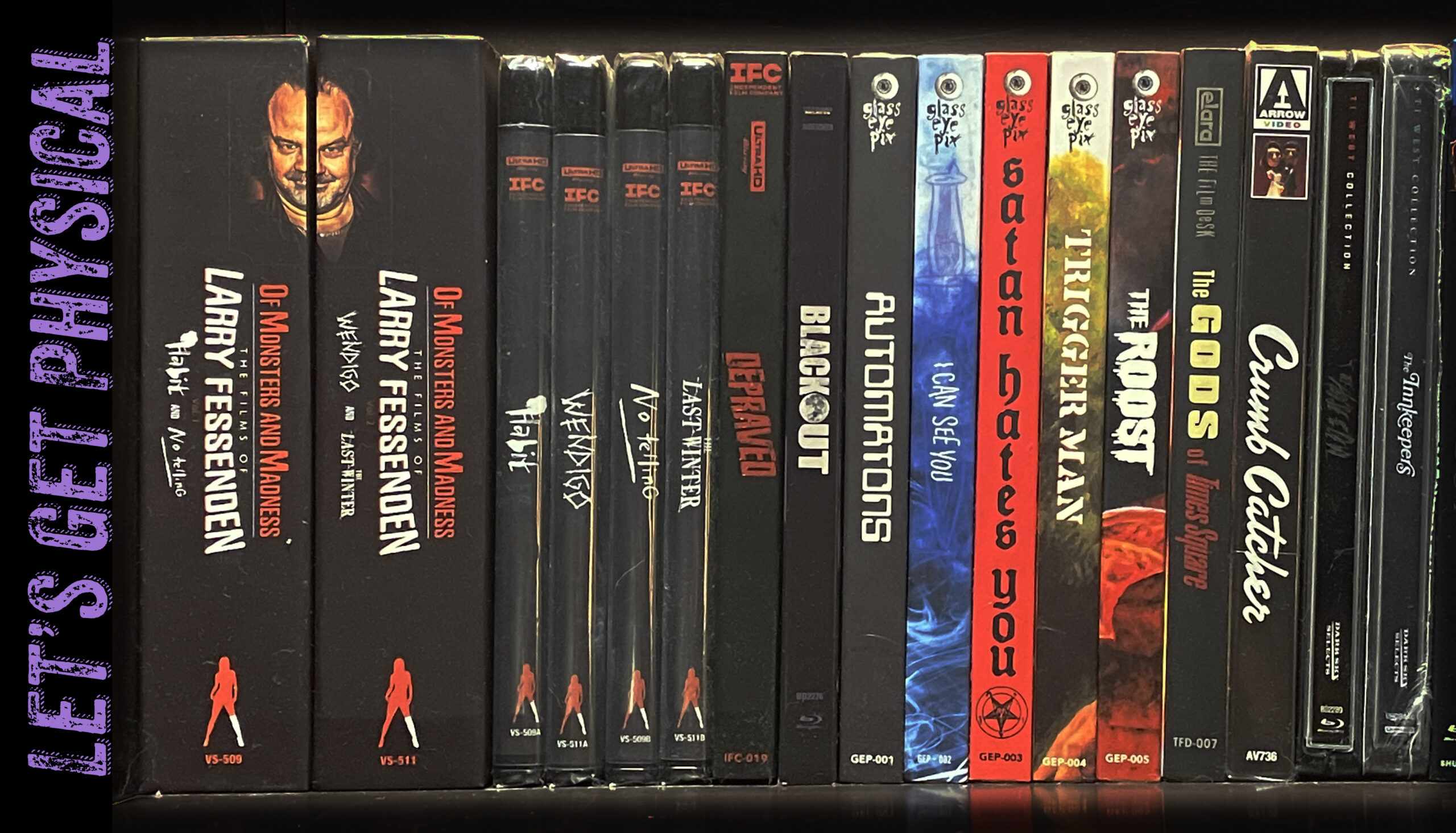
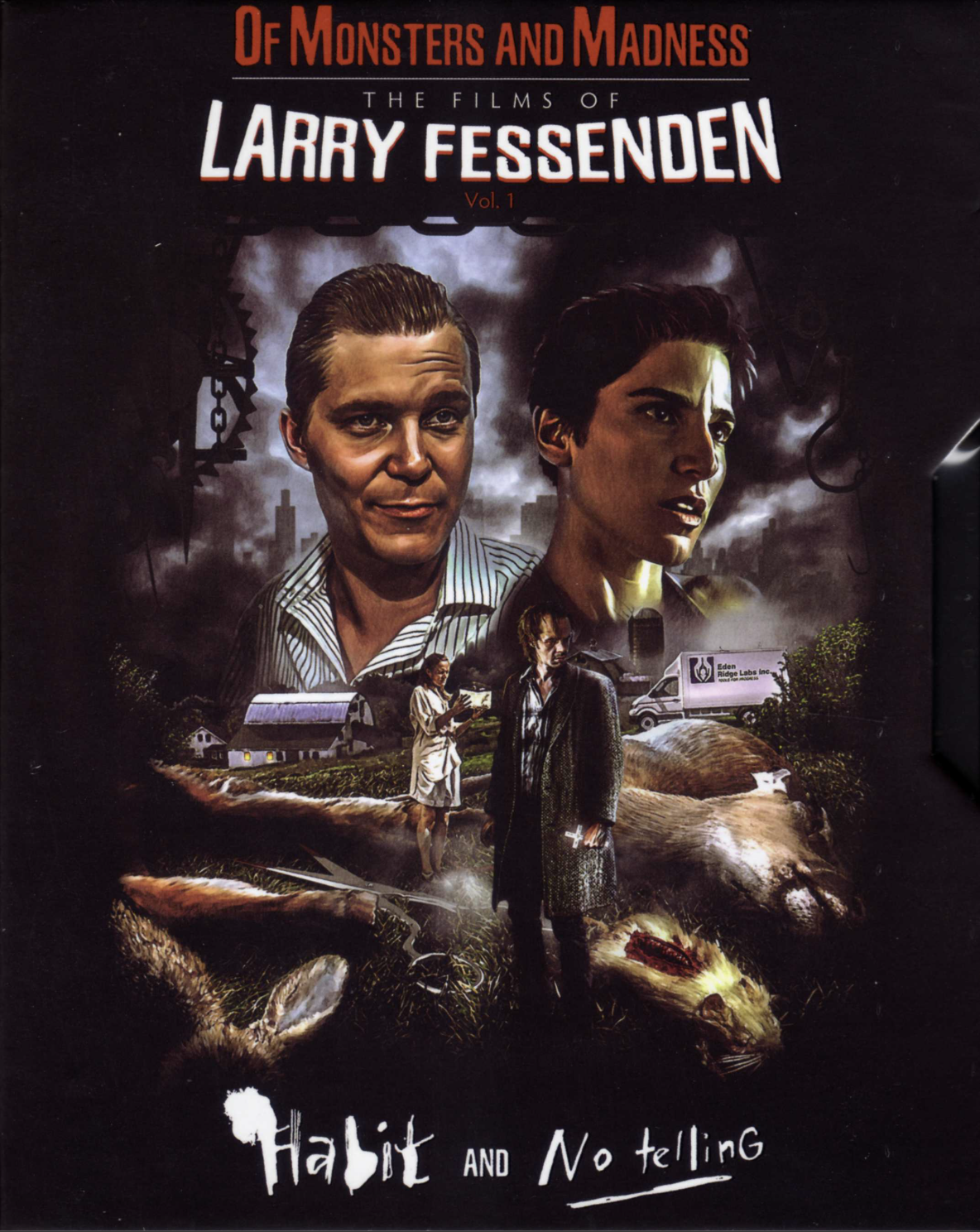
While Liam is off on a wild psychedelic adventure, Wayne is here to kick off a mini-series on New York filmmaker Larry Fessenden with our friend and previous collaborator Rolo Tony. Fessenden’s name may not be as recognisable as the likes of Carpenter, Hitchcock, Cronenberg and others, but Tony is here to explain why he still deserves to be mentioned among these all-time greats. So we’re starting this little project with the 90s vampire horror film Habit, an allegorical take on… well, a variety of things actually. We chat about the films history, its look and feels, the soundtrack, the characters and, most importantly, the thematics. On the way we’ll make a slight diversion to discuss an earlier Fessenden film, No Telling, and what it demonstrates about the director’s ability and his career. So strap on your finest Cyrano de Bergerac nose and join us for this dark, disturbing and delightful deep dive.
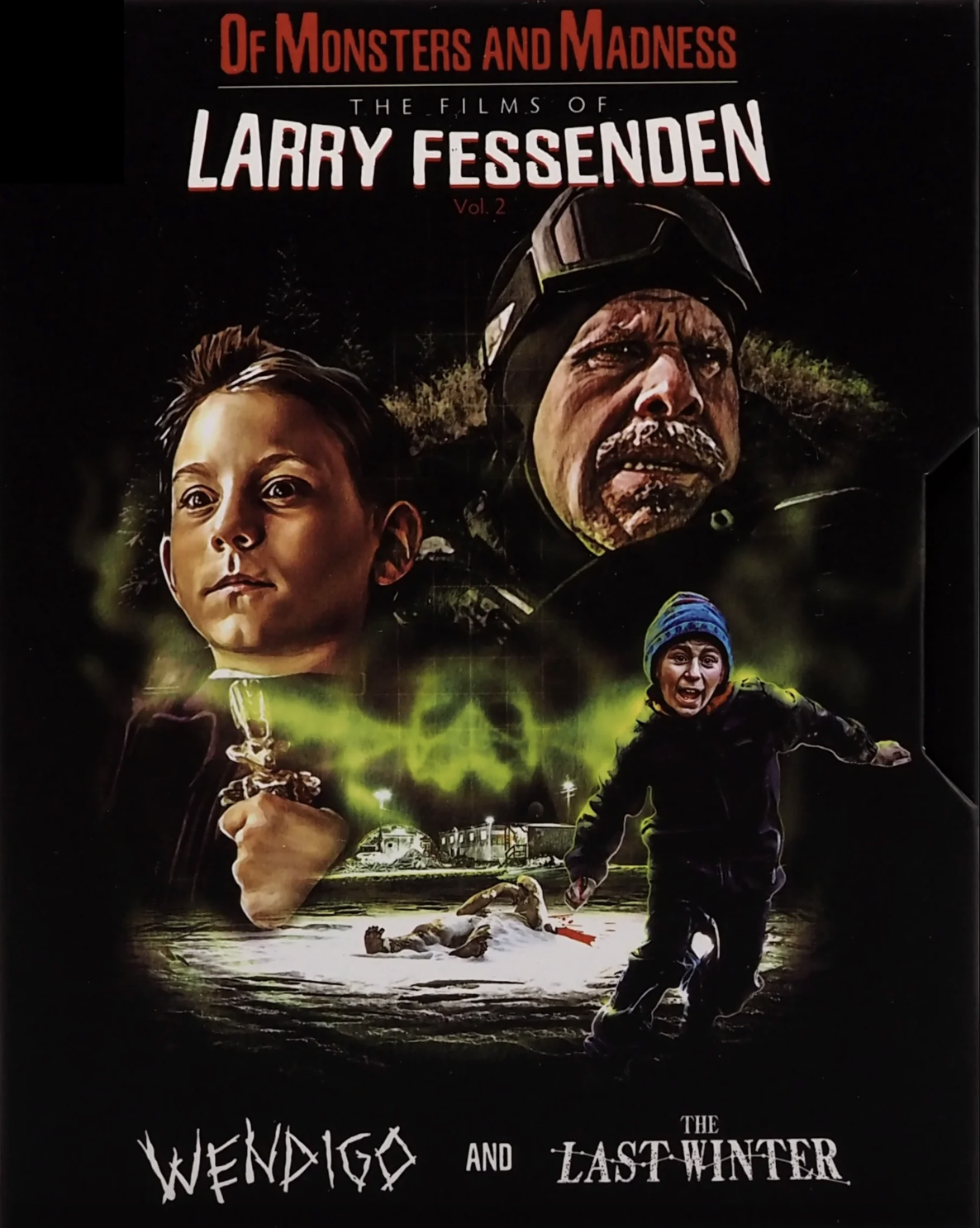
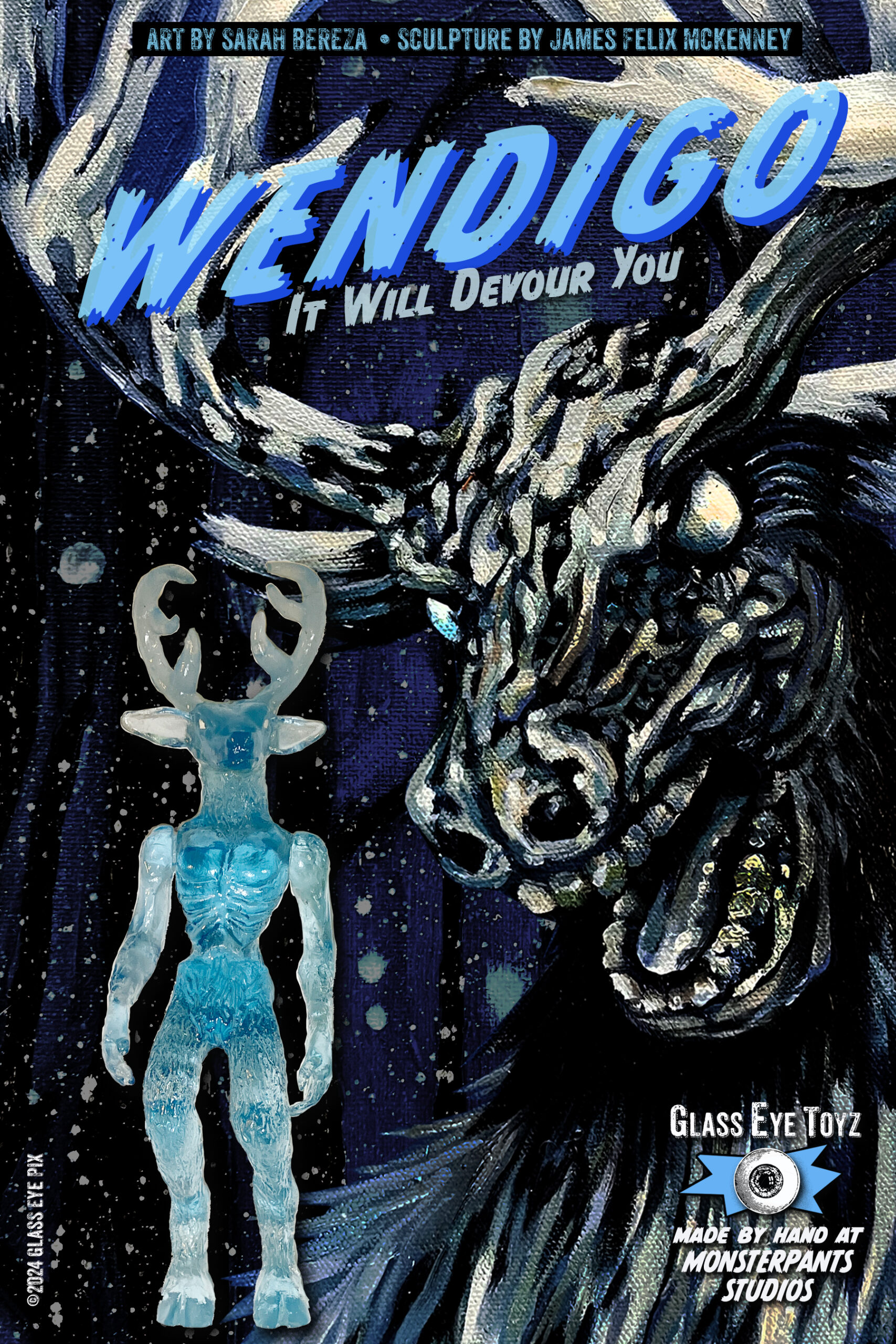
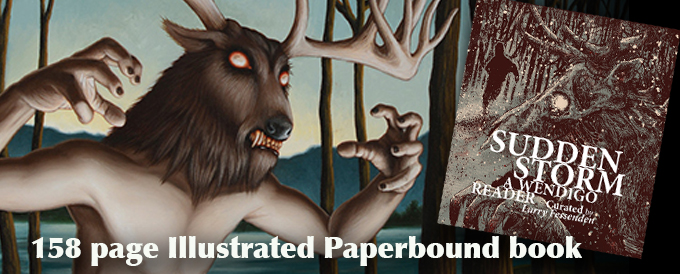
After a brief hiatus, we’ve returned to our rightful place in front of the mics. Some months ago, with Liam off saying hello to Dennis Hopper on a psychedelic tour of the stratosphere. Wayne welcomed our good friend Rolo Tony on to discuss Larry Fessenden’s 1997 Vampire film Habit. That was the first episode in a miniseries that continues today with Wendigo, a film set in the snow-covered wilderness of upstate New York, where a child’s imagination causes the line between reality and fantasy to blur.We discuss the Native American Wendigo legend and its place in the story, the films’ themes, its characters, setting and the divisive ending. Along the way we discuss another one of Fessenden’s films which featured the Wendigo: The Last Winter. Let the discussin’, dissectin’ and deep divin’ begin once again.
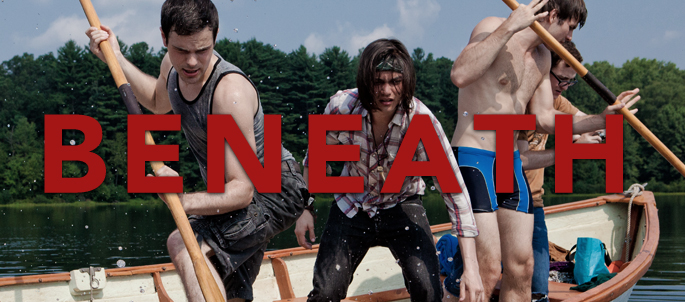
Our pal Rolo Tony is back as we continue our dive into the works of Larry Fessenden, and for today’s episode we’re taking a look at easily Fessenden’s most divisive film to date – the direct-to-Chiller, creature feature Beneath.
Taking a relative battering by the critics of the time, and an equally poor audience reception, does Beneath deserve another look at? Does it retain Fessenden themes and concerns, which made his name in Underground USA horror landscape? Stay tuned as we dissect this film.
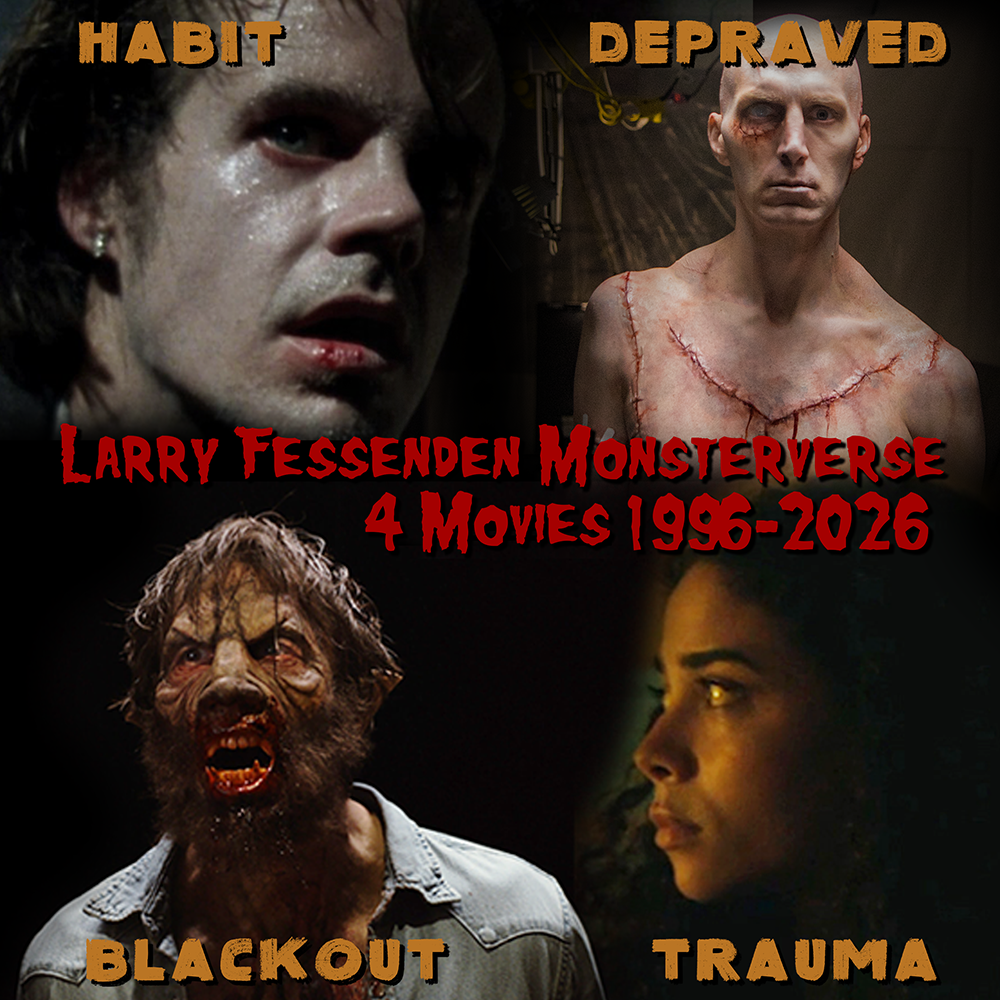
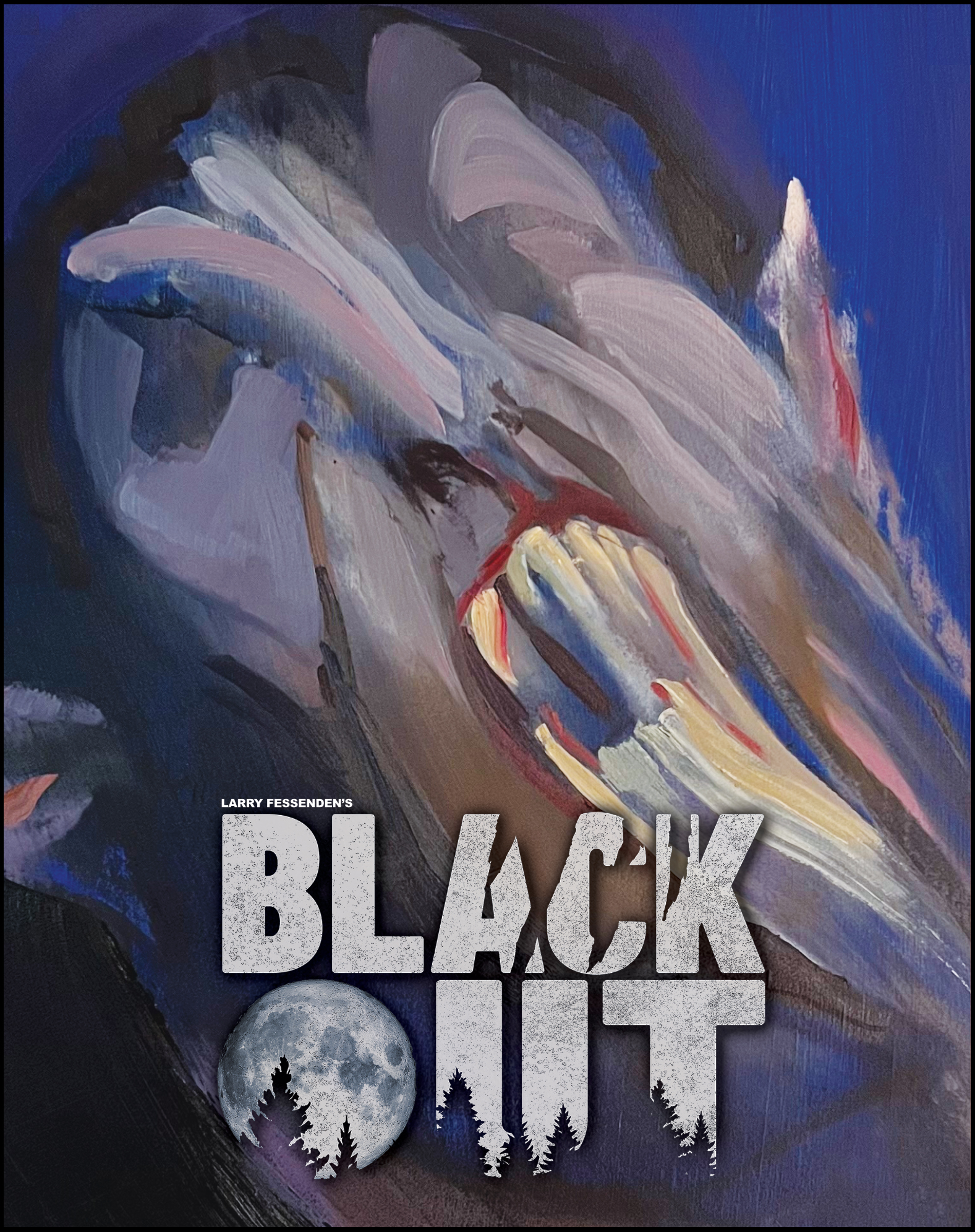
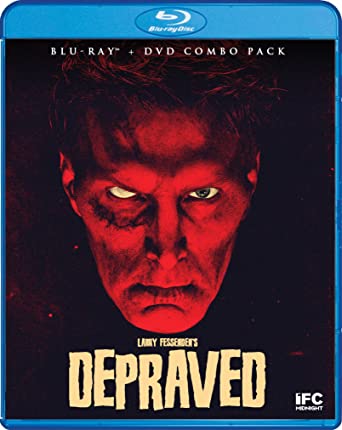
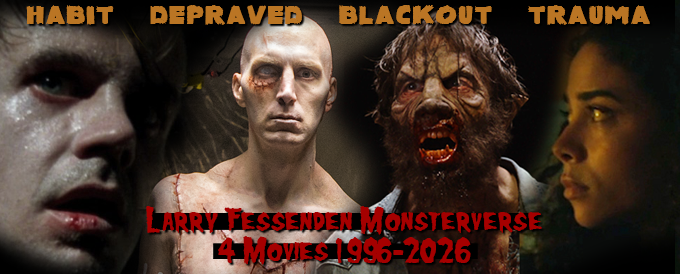
Friend of the podcast Rolo Tony (@PoorOldRoloTony) is back, and this time he’s here to conclude our series diving into the works of New York auteur Larry Fessenden. For the finale we’re wrapping up in style, with a creature feature double-feature! In discussion are Fessenden’s hitherto films, 2019’s modern retelling of Mary Shelley’s Frankenstein, Depraved, and the Wolf Man story of Blackout. We get into the themes, the politics, the elements that ran through Fessenden’s work, including certain complimentary elements between both Depraved and Blackout, and we even riff on Fessenden’s future monster mash film!
American horror has always struggled with its own mythology.
Where European cinema leans effortlessly into castles, covens, and inherited superstition, American folklore remains fragmented — scattered across Native legend, Puritan fear, frontier violence, and the unresolved guilt of colonisation. Monsters here are rarely elegant. They are born of hunger, cold, isolation, and the uneasy sense that the land itself remembers what we have tried to forget.
Wendigo is one of the rare American horror films that attempts to take that legacy seriously.
Folklore in the Margins
Based on Algonquian legend, the Wendigo is not merely a creature but a concept: a spirit of starvation, greed, and moral collapse, born when humans consume more than they should — flesh, land, or power. It is a monster inseparable from colonial history, ecological dread, and cultural trespass.
Larry Fessenden, ever the scholar of marginal horror, understands this instinctively.
From its opening moments, Wendigo resists the trappings of mainstream genre cinema. There are no easy shocks, no baroque effects, no grand set-pieces. Instead, the film unfolds as a low-key domestic tragedy — a city family retreating to the countryside, bringing with them the casual arrogance of outsiders who believe nature is merely scenery.
When an accidental shooting ignites the film’s chain of events, the horror that follows feels less supernatural than inevitable.
Fessenden’s America
By 2001, Larry Fessenden had already established himself as one of American indie horror’s great caretakers — a filmmaker less interested in spectacle than in preservation. Through films like Habit and his later work on The Last Winter and Depraved, Fessenden has acted as both archivist and advocate for a strain of horror that treats myth as cultural memory rather than genre decoration.
Wendigo fits squarely within that mission.
This is not a film about a monster in the woods so much as a film about trespass: moral, ecological, and cultural. The family’s intrusion into rural space, their careless handling of firearms, their unthinking disruption of local rhythms — all feel like small sins accumulating toward punishment. When the legend of the Wendigo finally surfaces, it feels less like summoning than consequence.
In theory, this is rich terrain.
The Problem of Restraint
In practice, Wendigo struggles to fully embody the power of its own mythology.
Fessenden’s commitment to understatement, while admirable, often becomes a liability. The film withholds too much, too often. The creature remains largely abstract. The rituals feel gestural rather than revelatory. What should accumulate as dread instead drifts into ambiguity.
The central performances are competent but muted, and the domestic drama — meant to ground the supernatural — never quite achieves the emotional density required to make the horror resonate fully. The film gestures toward trauma, guilt, and moral rupture, but rarely pierces them.
When the Wendigo finally asserts itself, the moment feels conceptually powerful but cinematically undernourished.
Indie Horror as Preservation
And yet, to judge Wendigo purely by conventional standards would be to misunderstand its place in the larger ecosystem of American horror.
This is not exploitation. It is not entertainment-first. It is an act of cultural stewardship.
Fessenden belongs to a lineage of American indie filmmakers — alongside figures like Kelly Reichardt (in her own register), Jim Mickle, and later Robert Eggers — who treat landscape as archive and myth as history. He is less concerned with thrills than with keeping endangered stories alive, even when their cinematic translation proves imperfect.
In that sense, Wendigo is less a failure than a partial success: a film that reaches for something rare in American horror, even if it cannot quite grasp it.
The Prognosis:
Wendigo remains a fascinating but flawed entry in the canon of American folk horror.
It lacks the visceral impact of its European cousins, and the narrative control to fully harness its mythology. But it compensates with sincerity, scholarship, and a genuine respect for the dark stories embedded in American soil.
Some myths refuse to die.
Even when poorly told, they continue to haunt — not because they are frightening, but because they are true.
While some people regard the 1990s as an overall weak time for horror, others feel the decade has been too maligned. Especially when looking back on the era through a modern lens. If nothing else, the ’90s were an interesting time of transition before Scream(1996) stirred the pot and sparked new interest in all things horror. Admittedly, the years before then were all over the place, and not every movie made in Scream’s immediate wake was as game-changing; however, there are plenty of less detectable gems buried in the mix. By now, a fair chunk of ’90s horror has been unearthed and reappraised, but these ten overlooked movies could certainly use a bit more attention.
No Telling (1991)
Larry Fessenden’s clear love of monsters manifested after No Telling; however, this bad-science movie isn’t short on its own kind of monster. This Frankensteinian story follows the events of a scientist (Stephen Ramsey) whose experiments on animals become more and more troubling. His concerned wife (Miriam Healy-Louie) acts as our eyes as we examine the manmade horrors in this sinister drama. No Telling is a visually arresting, not to mention disturbing, entry from the iconic horror filmmaker.
“A short, stressful, and utterly spellbinding debut that transforms the immigrant experience into the stuff of an early Polanski psychodrama… blends the anxiety of neo-realism into something that resembles the suspense of the orgy sequence from EYES WIDE SHUT.” —Indiewire
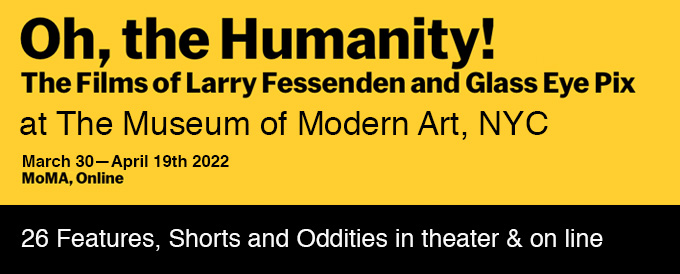
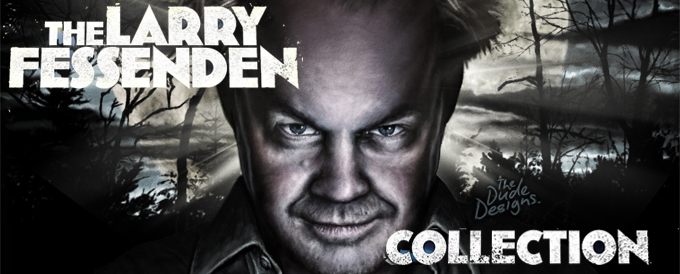
Glass Eye Pix is the fierce independent NYC-based production outfit headed by award-winning art-horror auteur Larry Fessenden with the mission of supporting individual voices in the arts. Read more...